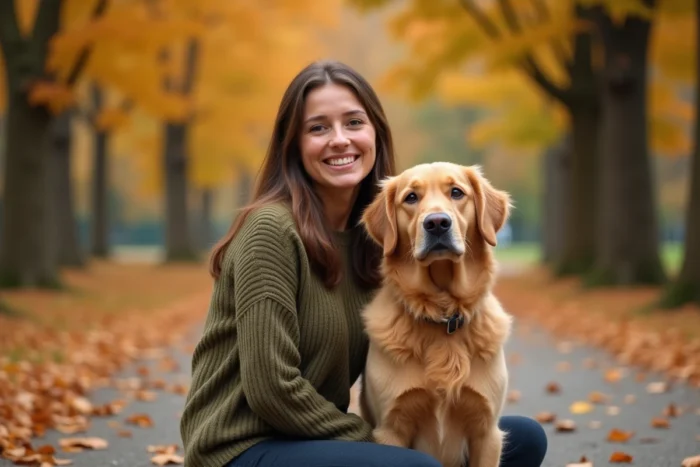
A dog communicates constantly through its postures, vocalizations, and micro-behaviors. Reading these signals, adapting its diet to its morphology, and choosing a breed compatible with its daily life are the three pillars of a successful cohabitation. This guide on dogs addresses these aspects from a practical angle, starting from what actually happens between the animal and its environment.
Observation Routine: Detecting Subtle Signals in Dogs
Most canine health problems develop gradually. A dull coat, a slight morning limp, a decrease in appetite over a few days: these signs often go unnoticed if no monitoring routine exists.
A weekly visual examination of the coat, eyes, ears, and pads allows for the detection of anomalies before they become reasons for a veterinary consultation. Droopy ears, for example, retain more moisture and promote ear infections. A cracked pad may indicate a surface that is too hot or a nutritional deficiency.
Daily behavior also provides valuable information. A dog that suddenly stops playing or starts drinking much more than usual is signaling something. These variations should be noted, even briefly, to be communicated to the veterinarian during the annual check-up. The practical sheets available on the espace-animaux.net website for dogs detail these points of attention by breed.
In older dogs, vigilance focuses on changes in mobility and weight. A loss of muscle mass in the hind legs or difficulty getting up after a long nap are subtle signals that often precede arthritis.
Mental Stimulation for Dogs: Beyond Physical Walks
Simply running a dog is not enough to balance it. Mental stimulation plays a role at least as central as physical exercise in preventing behavioral issues.
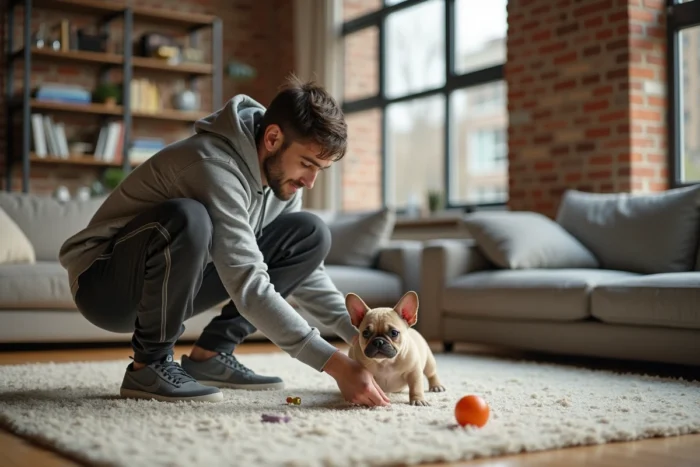
A dog that destroys objects in the absence of its owner rarely expresses malice. Boredom and separation anxiety are the most common causes. Spreading short activity sessions throughout the day (searching for hidden treats, learning a new trick, tracking games in the garden) often yields better results than a single long outing.
Regular socialization with other dogs and humans complements this approach. A poorly socialized dog develops fearful or aggressive reactions to ordinary situations: encountering a bicycle, visiting the veterinarian, the presence of a child.
Gradual Habituation to Care
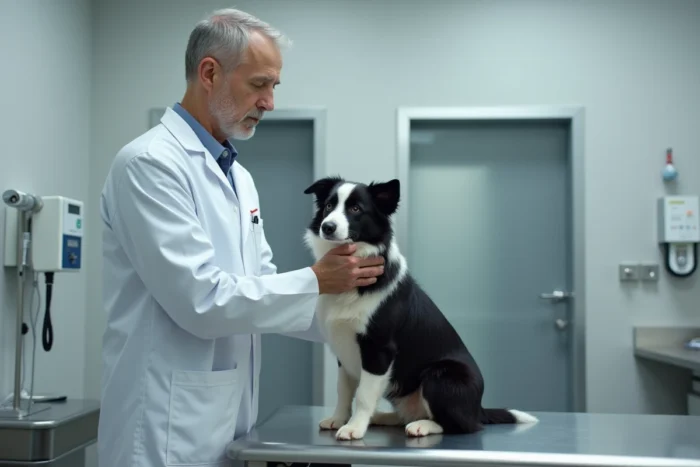
Micro-sessions of habituation to handling (touching the paws, opening the mouth, manipulating the ears) reduce stress during consultations. Starting these exercises as early as the puppy stage makes the animal’s entire life easier.
Some effective practices for daily stimulation include:
- Hiding kibble in a sniffing mat or under overturned cups to engage the dog’s sense of smell and reasoning
- Varying walking routes to expose the dog to new sound and scent environments
- Alternating tug games, obedience exercises, and quiet moments to structure the day without over-exciting the animal
Choosing a Dog Breed: Lifestyle-Related Mistakes
Choosing a breed based on its appearance or popularity on social media remains one of the most common mistakes. Some viral breeds attract novice owners who underestimate the real needs of the animal.
A herding dog, for example, has been selected to work several hours a day. In an apartment without sufficient stimulation, it develops compulsive behaviors (pacing, nibbling, barking). The determining factor is not the size of the dog but its demand for activity and human presence.
Tolerance to Solitude and Urban Life
Adaptation to solitude varies significantly from breed to breed. Some more independent breeds (like several molossers or certain hounds) can handle a few hours alone without major difficulty. Others, very attached to their social group, trigger destruction or vocalizations within the first half hour.
Before adopting, three questions deserve an honest answer:
- How many hours per day will the dog be alone, and is this time compatible with the needs of the breed considered?
- Does the available space (garden, apartment, quick access to a park) meet the required exercise level?
- Does the budget cover appropriate food, preventive veterinary care, and, if necessary, a professional dog trainer?
Dog Nutrition: Tailoring the Ration to the Individual
The breed, age, activity level, and health status determine a dog’s nutritional needs. A diet tailored to the individual rather than a generic average prevents obesity, deficiencies, and digestive disorders.
A growing puppy does not eat like a sedentary adult or an athletic dog. The frequency of meals also changes: three to four meals a day for a puppy, two for an adult. Splitting meals reduces the risk of stomach torsion in large breeds.
Monitoring Weight Without Obsession
Weight control involves a simple action: feeling the ribs. If they are noticeable under a thin layer of fat, the weight is correct. If they disappear under a thick layer, a reevaluation of the ration is necessary. This test is better than relying on a scale alone, as muscle mass skews the raw number reading.
Dietary changes should always be gradual, over about ten days, by mixing old and new food. A sudden transition almost always causes digestive issues, regardless of the quality of the new food.
The well-being of a dog relies on attention to daily details rather than on one-off interventions. An owner who observes, stimulates, and adapts their pet’s diet based on concrete signals builds a lasting relationship. The chosen breed, the lifestyle offered, and the regularity of veterinary follow-ups form a coherent whole, where no element functions in isolation.