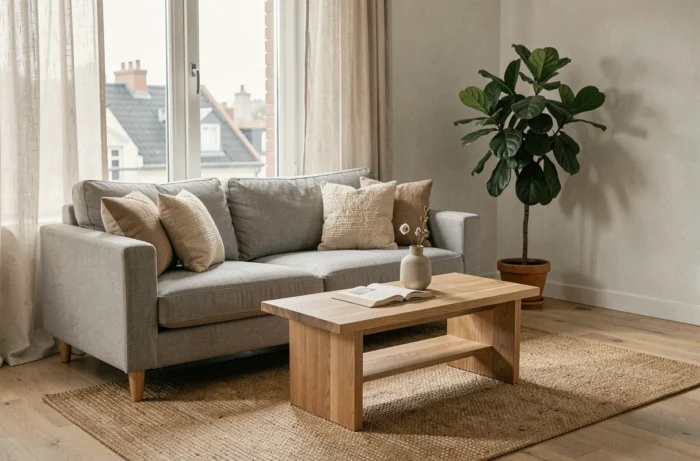
The housing bill examined by the National Assembly in November 2026 proposed incorporating summer comfort into renovation work and multi-year works plans for condominiums.
This legislative change, still under discussion at the time of the vote, signals a shift in perspective: designing your interior is no longer just about choosing a style or color palette. Thermal comfort, furniture durability and regulatory requirements now all influence design decisions, including in apartment buildings.
Interior design and summer comfort in condominiums: a changing framework
Installing an exterior blind or sunshade on a building façade is no small matter. In a condominium, this type of work affects common areas and requires a vote at a general meeting. An amendment adopted by the National Assembly in November 2026 aimed to make it easier to approve blinds and sunshades in condominiums by lowering the required voting threshold. As the bill was not yet final at that time, there was no guarantee it would be adopted in its current form.
This uncertainty puts condominium owners in a particular position. Those who want to protect their homes from extreme heat without waiting for a collective vote must turn to interior solutions: adhesive solar films on windows, thick thermal curtains, or tightly woven sheer curtains. These choices are as much about décor as comfort, and they can significantly change the feel of a room.
Blackout or reflective fabrics, for example, reduce natural light. Artificial lighting then needs to be reconsidered to compensate. Adding multiple light sources—such as accent lamps, reading lights and LED strips built into furniture—helps maintain a pleasant atmosphere even with the blinds down. Summer comfort shapes interior design choices, not the other way around.
Articles available in Blog Actif’s home section explore these design topics from a range of practical angles, from choosing materials to finding solutions for small spaces.
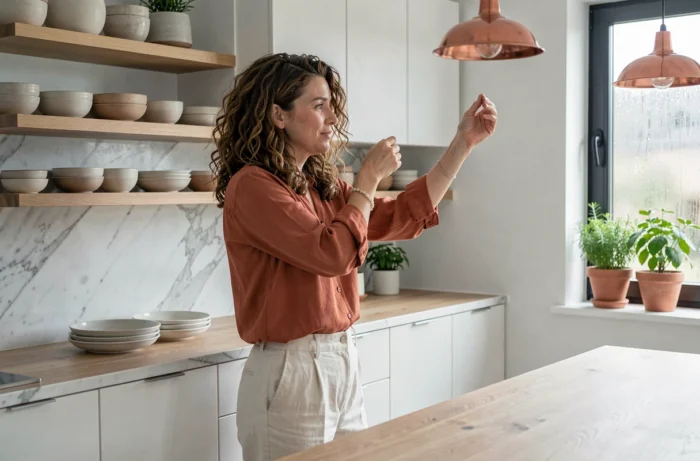
Textiles and furniture: how extended producer responsibility makes a difference
Choosing a sofa, cushions or curtains involves more than just a budget and personal taste. Regulations on extended producer responsibility (EPR) cover furnishings, upholstered seating and certain decorative textiles, such as cushions, curtains and rugs. In practice, manufacturers and retailers fund the collection and recycling of these products at the end of their useful life.
For consumers, this means that sorting and collecting used furniture are organized through dedicated schemes. Before buying a new item, check whether the retailer offers to take back your old furniture to make replacing it easier. This is a criterion rarely highlighted in interior design guides, which tend to focus on aesthetics.
This life-cycle approach also encourages buyers to consider material durability. An abrasion-resistant upholstery fabric will last several years longer than a low-quality one, reducing how often it needs to be replaced and the amount of waste generated. Choosing durable textiles reduces how often furniture needs to be replaced.
Repairability of appliances built into your interior
A well-designed interior also relies on everyday appliances: recessed lighting, kitchen extractor hoods and small appliances on the countertop. European regulations are gradually strengthening requirements for spare-parts availability and repairability for this equipment.
Before incorporating an appliance into a custom layout—such as an extractor hood built into a cabinet or lighting integrated into a bookcase—it is worth checking:
- How long the manufacturer guarantees spare parts will be available, which determines whether you can repair the appliance rather than replace the entire piece of furniture
- How accessible the appliance will be once installed, since a light fixture sealed into a wooden structure will be difficult to remove without causing damage
- Whether its dimensions are compatible with commonly available replacement models, so you do not have to redo the entire layout if it breaks down
An integrated appliance that cannot be repaired can sometimes make the entire piece of furniture unusable. This technical constraint is worth considering at the design stage, not when something breaks.
Colors and materials: adapting your choices to heat and light
Interior design guides often recommend choosing colors based on your mood or current trends. The amount of sunlight each room receives is a more objective factor. A south-facing room with little sun protection can feel stifling if its dark walls absorb heat. Light shades on the most exposed surfaces help limit heat buildup.
The same principle applies to flooring materials. Porcelain stoneware tiles stay cool to the touch even in summer, while solid wood flooring or thick vinyl retains more heat. In a living room exposed to direct sunlight, light-colored porcelain stoneware flooring can help improve summer thermal comfort.
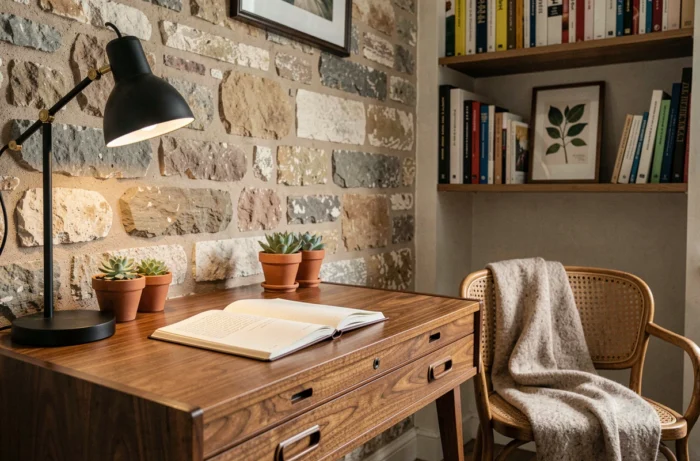
Natural materials such as linen, unbleached cotton and rattan also help create a feeling of coolness. They absorb ambient moisture better than synthetic fibers, reducing that clammy feeling. A woven rattan chair, for example, allows better airflow than a padded polyester seat.
Creating a personalized living space without replacing everything
An interior that reflects your personality does not necessarily require replacing all your furniture. A few targeted changes can make a noticeable difference:
- Painting a single wall in a contrasting color changes how deep and spacious an entire room feels
- Replacing the handles on kitchen cabinets or a dresser updates the look without throwing the furniture away, in keeping with the EPR goal of reducing waste
- Changing the flow of a living room by moving the sofa just a few inches alters how the space relates to the light and windows
- Adding a mirror opposite a window amplifies natural light and reduces the need for artificial lighting during the day
These adjustments require neither a large budget nor condominium approval. They are individual decisions that can be put into practice right away and have a tangible effect on everyday comfort.
Designing an interior means balancing technical constraints—heat, light, durability and regulations—with personal preferences. The most sustainable choices bring these two dimensions together rather than prioritizing one at the expense of the other.